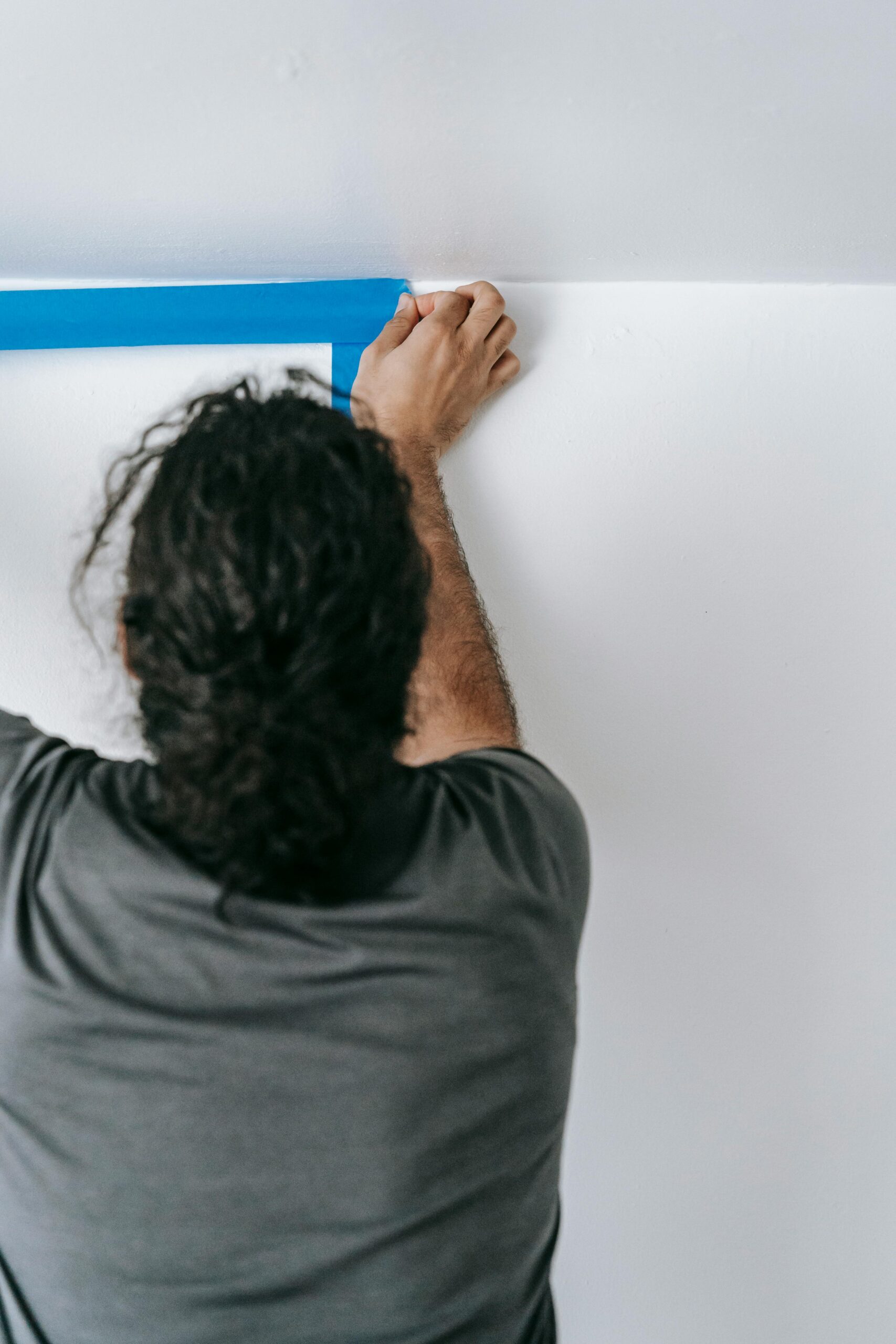
Wall damage is one of the most common issues raised during move-out inspections in Florida rental properties. Landlords may attempt to deduct repair or repainting costs from a tenant’s security deposit, while tenants often argue that many wall issues result from normal use during the tenancy.
This article explains when a Florida landlord may charge for wall damage at move-out, how wear and tear is evaluated, and how wall damage differs from minor issues such as nail holes. This information is provided for general educational purposes only and does not constitute legal advice.
Common Types of Wall Damage
Wall-related issues may include:
- large holes or cracks
- water damage
- stains or heavy discoloration
- unauthorized paint or wallpaper
- damaged drywall or plaster
Not all wall issues qualify as chargeable damage.
Normal Wear and Tear vs. Wall Damage
Walls naturally show signs of use over time. Minor scuffs, light marks, or fading paint are often considered normal wear and tear.
Damage may be considered beyond wear when:
- walls have large holes or structural damage
- drywall is broken or crumbling
- stains are permanent and extensive
- surfaces are altered without permission
For small punctures and mounting marks, see:
Are Nail Holes Considered Damage to Walls in Florida Rentals?
When Wall Damage Charges May Be Allowed
A landlord may charge for wall repairs when:
- damage exceeds ordinary use
- repairs are required to restore structural integrity
- walls were altered without approval
Charges are generally limited to restoring the wall to its prior condition.
Nail Holes vs. Larger Wall Damage
Small nail or screw holes used to hang pictures are often treated differently than larger wall damage. Minor holes may be considered normal wear, while larger or excessive holes may justify deductions.
Because this distinction is common, nail holes are often evaluated separately from general wall damage.
Painting and Repainting Issues
Normal paint fading is typically not chargeable. However, repainting may be charged when:
- walls were painted unauthorized colors
- paint was damaged beyond touch-up
- extensive patching is required
Repainting costs should reflect reasonable restoration, not upgrades.
Repair vs. Replacement of Wall Materials
In many cases, patching or spot repair may be sufficient. Charging for full wall replacement or complete repainting may be disputed if partial repair would restore the surface.
Documentation and Evidence
Wall damage disputes often depend on documentation, including:
- move-in and move-out photos
- inspection reports
- repair invoices or estimates
Clear evidence helps establish whether deductions are appropriate.
Itemized Notice Requirements
If wall repair or repainting costs are deducted from the security deposit, proper notice and itemization are generally required.
For notice rules, see:
Can a Florida Landlord Withhold a Security Deposit Without Providing an Itemized List?
Tenant Objections to Wall Damage Charges
Tenants may object if they believe:
- damage is normal wear
- marks existed before move-out
- charges exceed reasonable repair costs
Objections usually must be made within the allowed timeframe.
For objection deadlines, see:
How Long Does a Tenant Have to Dispute a Security Deposit Deduction in Florida?
Final Notes
This article provides general information about charging for wall damage at move-out in Florida. It is intended for informational purposes only and does not constitute legal advice.
Whether deductions are allowed depends on damage severity, documentation, and notice compliance.
Summary
- Walls naturally show signs of use
- Minor marks may be normal wear
- Larger damage may justify deductions
- Nail holes are often treated separately
- Proper notice and documentation are required