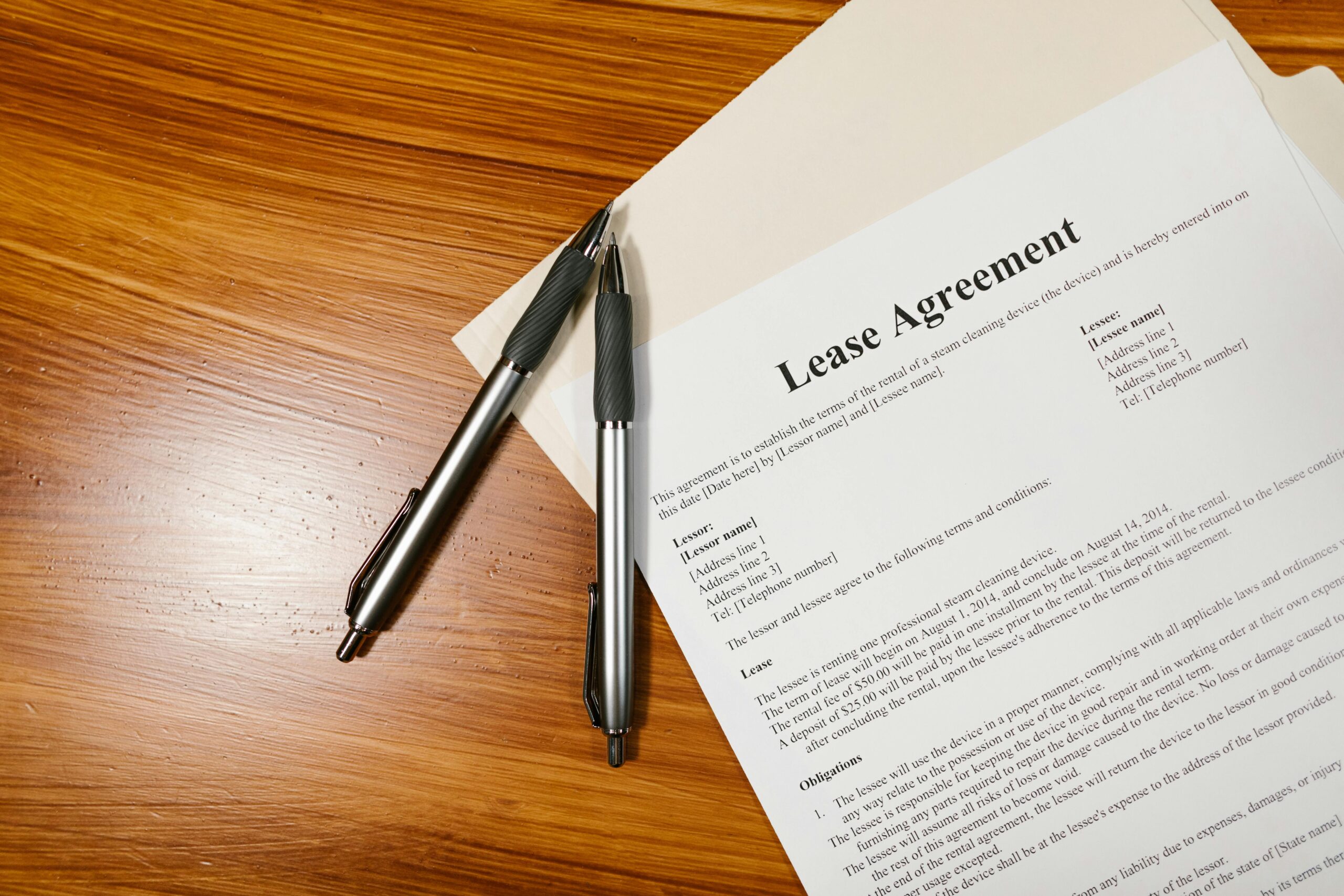
When a lease term ends in Florida, some landlords charge a lease renewal fee if the tenant chooses to stay. These fees may be described as covering paperwork, administrative processing, or lease updates. Tenants often question whether lease renewal fees are legal and whether they must be paid to continue renting the property.
This article explains whether Florida landlords can charge lease renewal fees, how these fees are typically structured, and what issues may arise during lease renewal. This information is provided for general educational purposes only and does not constitute legal advice.
What Is a Lease Renewal Fee?
A lease renewal fee is a charge imposed when a tenant renews or extends an existing lease. The fee is often described as covering:
- lease drafting or updates
- administrative processing
- documentation costs
Lease renewal fees are usually charged at the time the new lease is signed.
Are Lease Renewal Fees Allowed in Florida?
Florida law does not expressly prohibit landlords from charging lease renewal fees. In general, landlords may charge a renewal fee if:
- the fee is disclosed in advance
- the fee is clearly described
- the tenant agrees to the fee
Problems may arise when renewal fees are unexpected or not disclosed until the lease expires.
Is There a Limit on Lease Renewal Fees?
Florida does not impose a statewide cap on lease renewal fees. However, disputes may arise if:
- the fee is excessive
- the purpose of the fee is unclear
- the fee appears duplicative of another charge
Clear disclosure helps reduce conflicts.
Lease Renewal Fees vs. Rent Increases
Lease renewal fees differ from rent increases.
A rent increase changes the monthly rent amount. A renewal fee is typically a one-time charge related to extending the lease.
For rent increase context, see:
Can a Landlord Increase Rent After a Lease Expires in Florida?
Must Lease Renewal Fees Be Disclosed in the Original Lease?
Lease renewal fees are best disclosed in the original lease or renewal notice. Disputes may arise if:
- the fee is introduced at the last minute
- the tenant was not previously informed
- the fee was not reasonably anticipated
Disclosure timing matters.
Can a Tenant Refuse to Pay a Renewal Fee?
Whether a tenant can refuse to pay depends on:
- lease terms
- renewal conditions
- whether the fee is mandatory
If the tenant declines to renew, the tenancy may end or convert to another arrangement depending on the lease.
Are Lease Renewal Fees Refundable?
Lease renewal fees are typically nonrefundable, as they relate to processing costs. Refundability depends on lease language and agreement terms.
Practical Scenarios
Scenario 1: Renewal Fee Disclosed in Lease
The lease states a renewal fee applies. The tenant pays the fee when renewing.
Scenario 2: Renewal Fee Introduced Late
The tenant learns of the fee only when the lease expires. Disputes may arise.
Scenario 3: Tenant Declines Renewal
The tenant refuses to pay the fee and moves out at lease end.
Common Misunderstandings
Common misconceptions include:
- believing renewal fees are illegal
- assuming renewal fees are rent
- thinking renewal fees must be refundable
Understanding how renewal fees are classified helps clarify disputes.
Why Lease Renewal Fees Matter
Lease renewal fees increase the cost of staying in a rental. Clear disclosure allows tenants to plan and evaluate whether renewal is worthwhile.
Final Notes
This article provides general information about lease renewal fees in Florida rentals. It is intended for informational purposes only and does not constitute legal advice.
Whether a renewal fee is enforceable depends on disclosure and lease terms.
Summary
- Lease renewal fees are not expressly prohibited
- Fees should be disclosed in advance
- Renewal fees differ from rent increases
- Excessive or undisclosed fees may cause disputes
- Lease terms control enforceability