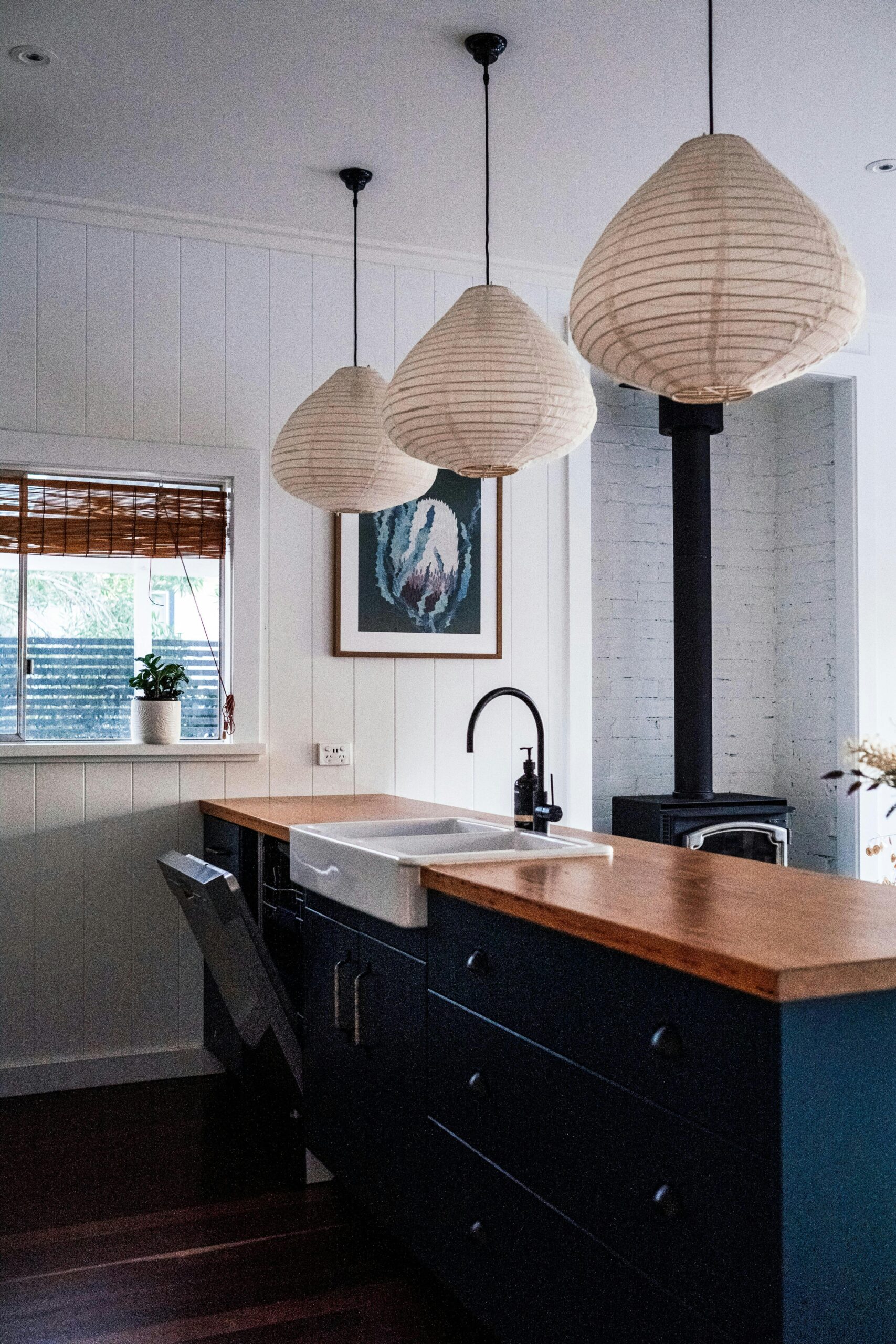
Cabinet damage is sometimes discovered during move-out inspections, particularly in kitchens and bathrooms. Landlords may deduct repair or replacement costs from a tenant’s security deposit, while tenants may argue that cabinet wear results from ordinary use.
This article explains when a Florida landlord may charge for cabinet damage at move-out, how wear and tear is evaluated, and what factors typically affect whether deductions are allowed. This information is provided for general educational purposes only and does not constitute legal advice.
Cabinets as Part of the Rental Unit
Cabinets, drawers, and built-in shelving are typically considered fixtures provided with the rental unit. Tenants are generally expected to return cabinets in similar condition, accounting for normal wear.
Damage to cabinets may affect both appearance and functionality.
Normal Wear and Tear vs. Cabinet Damage
Cabinets may show signs of normal wear over time, such as minor scratches, worn hinges, or fading finishes. These conditions are often considered normal wear and tear.
Damage may be considered beyond wear when cabinets are:
- broken or cracked
- missing doors or hardware
- damaged by water or impact
- altered without permission
For general wear-and-tear context, see:
Can a Landlord Keep a Security Deposit for Normal Wear and Tear in Florida?
When Cabinet Damage Charges May Be Allowed
A landlord may charge for cabinet repairs when:
- tenant actions caused the damage
- cabinets were damaged beyond ordinary use
- repairs are needed to restore usability
Charges are generally limited to restoring the cabinets to their prior condition.
Repair vs. Replacement of Cabinets
In many cases, repairing cabinet doors, hinges, or hardware may be sufficient. Charging for full cabinet replacement when minor repairs would suffice may be disputed.
The extent of the damage often determines whether replacement is reasonable.
Water Damage to Cabinets
Cabinet damage caused by water may result from leaks, plumbing issues, or tenant neglect. Responsibility often depends on the source of the water damage.
Tenant-caused leaks may justify deductions, while structural plumbing issues may not.
Documentation and Evidence
Documentation is important in cabinet damage disputes. Useful records may include:
- move-in and move-out photos
- inspection reports
- maintenance records
- repair estimates or invoices
Clear evidence helps establish whether deductions are appropriate.
Itemized Notice Requirements
If cabinet repair or replacement costs are deducted from the security deposit, proper notice and itemization are generally required.
For notice rules, see:
Can a Florida Landlord Withhold a Security Deposit Without Providing an Itemized List?
Tenant Objections to Cabinet Damage Charges
Tenants may object if they believe:
- damage resulted from normal use
- cabinets were already worn
- charges exceed reasonable repair costs
Objections usually must be made within the allowed timeframe.
For objection deadlines, see:
How Long Does a Tenant Have to Dispute a Security Deposit Deduction in Florida?
Cabinet Damage vs. Routine Maintenance
Routine cabinet maintenance is generally the landlord’s responsibility. Deductions are more likely when damage goes beyond maintenance needs.
Final Notes
This article provides general information about charging for cabinet damage at move-out in Florida. It is intended for informational purposes only and does not constitute legal advice.
Whether deductions are allowed depends on damage severity, documentation, and notice compliance.
Summary
- Cabinets are considered fixtures
- Minor wear is generally not chargeable
- Damage beyond wear may justify deductions
- Repairs may be preferable to replacement
- Proper notice and documentation are required