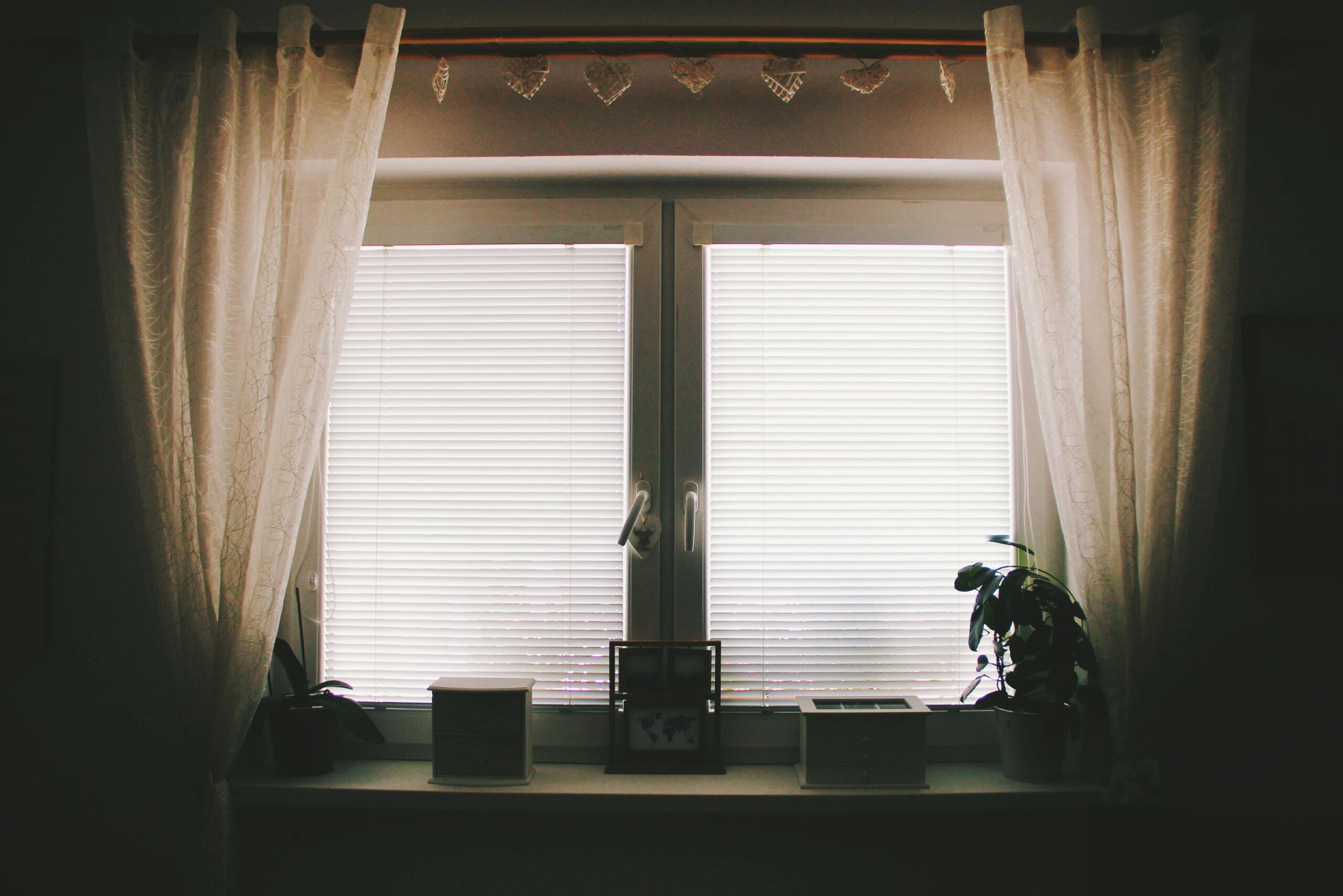
Blinds, curtains, and other window treatments are frequently damaged during a tenancy, and disputes often arise when landlords deduct replacement costs from a security deposit. Tenants may question whether broken blinds are normal wear, while landlords may view them as tenant-caused damage.
This article explains when a Florida landlord may charge for broken blinds or window treatments at move-out, how wear and tear is evaluated, and what factors typically affect whether deductions are allowed. This information is provided for general educational purposes only and does not constitute legal advice.
Blinds and Window Treatments as Part of the Rental Unit
Blinds and window treatments are often considered fixtures if they were provided with the rental unit. When included at move-in, tenants are generally expected to return them in similar condition, accounting for normal wear.
Normal Wear and Tear vs. Damage
Over time, blinds may show ordinary wear, such as slight discoloration or reduced tension. These changes are often considered normal wear and tear.
Damage may be considered beyond wear when blinds are:
- bent or broken
- missing slats
- detached from mounts
- damaged due to misuse
For general wear-and-tear context, see:
Can a Landlord Keep a Security Deposit for Normal Wear and Tear in Florida?
When Charges for Broken Blinds May Be Allowed
A landlord may charge for broken blinds when damage exceeds ordinary use. This may include situations where blinds were intentionally damaged, improperly handled, or removed.
The extent and cause of the damage often matter.
Repair vs. Replacement Costs
In some cases, repairing blinds may be possible rather than replacing them entirely. Charging for full replacement when minor repair would suffice may be disputed.
Replacement costs should generally reflect the type and age of the blinds.
Age and Condition of Blinds
Older blinds nearing the end of their useful life may not justify full replacement charges. Age and prior condition are often considered when determining allowable deductions.
Documentation and Evidence
Documentation is important in blind-related disputes. Useful records may include:
- move-in and move-out photos
- inspection reports
- invoices or replacement estimates
Clear evidence helps support whether deductions are reasonable.
Itemized Notice Requirements
If blind replacement or repair costs are deducted from the security deposit, proper notice and itemization are generally required.
For notice rules, see:
Can a Florida Landlord Withhold a Security Deposit Without Providing an Itemized List?
Tenant Objections to Blind Charges
Tenants may object if they believe:
- the damage is normal wear
- the blinds were already worn
- the charges are excessive
Objections usually must be made within the required timeframe.
For objection deadlines, see:
How Long Does a Tenant Have to Dispute a Security Deposit Deduction in Florida?
Final Notes
This article provides general information about charging for broken blinds or window treatments at move-out in Florida. It is intended for informational purposes only and does not constitute legal advice.
Whether deductions are allowed depends on damage severity, age, documentation, and notice compliance.
Summary
- Blinds are often considered fixtures
- Normal wear is generally not chargeable
- Damage beyond wear may justify deductions
- Repair may be more appropriate than replacement
- Proper notice and documentation are required