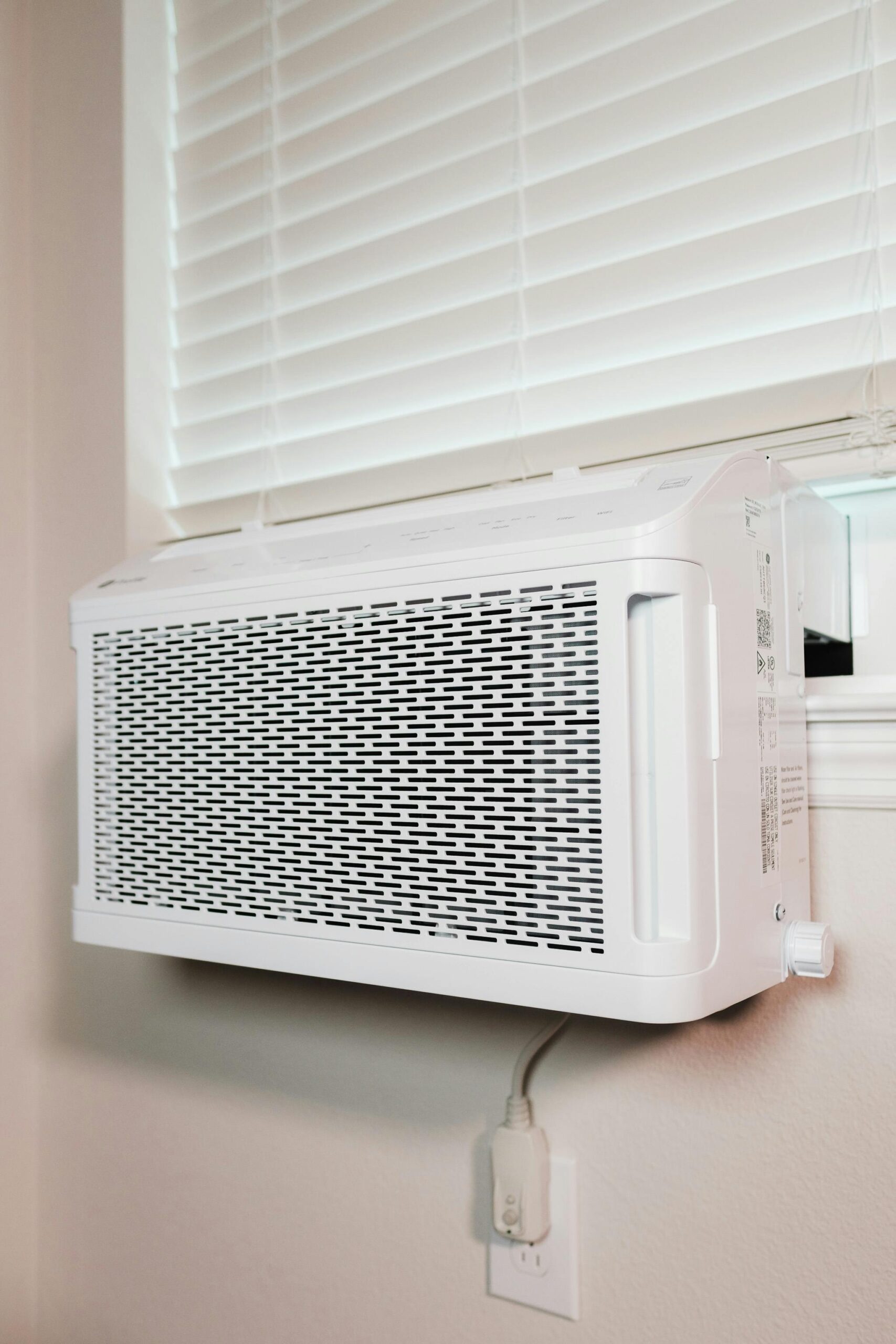
Air conditioning is often considered essential in Florida due to the state’s climate. When cooling systems fail or are absent, tenants frequently question whether a landlord is required to provide or repair air conditioning.
This article explains how air conditioning is generally treated in Florida rental properties, when it may affect habitability, and how AC issues relate to repairs, rent, and eviction. This information is provided for general educational purposes only and does not constitute legal advice.
Why Air Conditioning Is a Major Issue in Florida Rentals
Florida’s heat and humidity make air conditioning more than a comfort feature for many tenants. High indoor temperatures can affect health, safety, and the usability of a rental unit.
Air conditioning issues often arise:
- during summer heat waves
- when older systems fail
- after storms or power issues
- in units where AC is listed in the lease but stops working
Because of this, AC-related disputes are common.
Habitability Standards and Air Conditioning
Habitability generally refers to whether a rental unit is safe and suitable for living. While habitability standards often address essential systems, not every comfort-related feature automatically qualifies as a habitability requirement.
For a general overview of habitability, see:
What Is Considered an Uninhabitable Rental Property in Florida?
Whether lack of air conditioning affects habitability may depend on:
- lease terms
- local standards
- the severity of the conditions
- whether AC was originally provided
Lease Terms and Air Conditioning Obligations
Lease agreements often play a key role in determining AC responsibilities. If air conditioning is included as part of the rental unit, the lease may specify maintenance or repair obligations.
Issues commonly arise when:
- the lease lists AC as an amenity
- the system breaks during the lease term
- responsibility for repairs is unclear
Lease language may influence whether a landlord is expected to repair or maintain the system.
Air Conditioning Failures vs. Other Essential Systems
Air conditioning is often treated differently from systems like plumbing or water supply. However, prolonged AC failures during extreme heat may raise additional concerns depending on the circumstances.
Comparisons are sometimes made between AC issues and other habitability-related problems, such as mold or water intrusion.
For mold-related context, see:
Is Mold Considered a Habitability Issue in Florida Rental Properties?
Tenant Options When Air Conditioning Fails
When air conditioning fails, tenants may consider various actions. These often involve:
- notifying the landlord
- requesting repairs
- documenting the issue
However, tenants should be cautious about withholding rent or taking unilateral action without following proper procedures.
For rent-withholding context, see:
Can a Tenant Withhold Rent for Repairs in Florida?
Air Conditioning Issues and Eviction Risk
Disputes over air conditioning do not automatically prevent eviction proceedings, particularly when rent is unpaid. Repair issues and eviction processes are generally treated separately.
For eviction context, see:
Florida Eviction Timeline for Nonpayment of Rent
Tenants who stop paying rent due to AC issues without following required steps may still face eviction.
Access for Repairs and AC Maintenance
Addressing air conditioning problems often requires landlord access to the rental unit. Disputes may arise if access is denied or if notice requirements are unclear.
For entry-related rules, see:
Can a Landlord Enter a Rental Property Without Notice in Florida?
Proper access can be essential to resolving AC problems.
Documentation and AC Disputes
Documentation plays an important role in AC-related disputes. Relevant records may include:
- maintenance requests
- repair invoices
- photos or videos of system failure
- written communications
Clear records help establish whether issues were reported and addressed in a timely manner.
Air Conditioning Issues After Lease Expiration
AC problems may arise during holdover tenancy or after a lease expires. Responsibility for repairs may depend on whether the tenant remains in possession and how the tenancy is classified.
For lease-expiration context, see:
What Happens When a Lease Expires and the Tenant Stays in Florida?
Final Notes
This article provides general information about air conditioning requirements in Florida rental properties. It is intended for informational purposes only and does not constitute legal advice.
Whether a landlord must provide or repair air conditioning depends on lease terms, local standards, and the circumstances of each situation.
Summary
- Air conditioning is a common issue in Florida rentals
- AC may not always be treated as an essential service
- Lease terms play a key role
- Tenants should follow proper repair procedures
- AC disputes do not automatically stop eviction