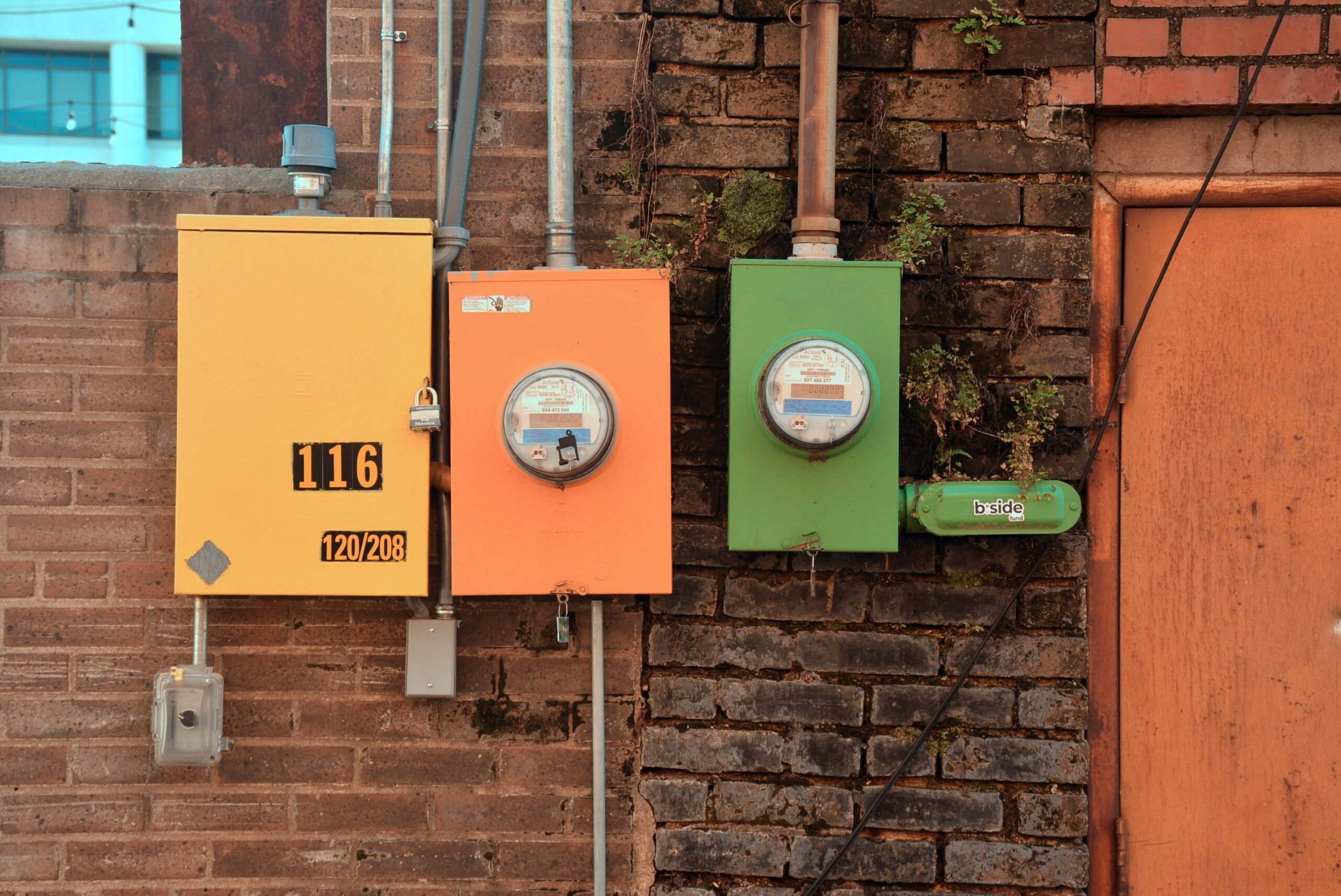
In Florida rental properties, tenants are often responsible for utility-related charges beyond electricity and gas. Fees for trash collection, water service, and sewer usage are commonly billed either directly by service providers or through the landlord. Tenants frequently ask whether these charges are allowed, how they must be disclosed, and whether they can change during a lease.
This article explains how trash, water, and sewer fees work in Florida rentals, how these charges are typically structured, and what issues may arise when landlords bill tenants for these services. This information is provided for general educational purposes only and does not constitute legal advice.
How Trash, Water, and Sewer Fees Are Commonly Charged
Florida landlords may handle these utilities in several ways:
- utilities included in rent
- utilities billed directly to the tenant
- utilities billed by the landlord and passed through monthly
The billing method is usually specified in the lease or a utility addendum.
Are These Fees Allowed in Florida Rentals?
Florida law generally allows landlords to charge tenants for trash, water, and sewer services if:
- the charges are disclosed
- the billing method is explained
- the tenant agrees to the arrangement
Problems typically arise when fees appear without prior disclosure.
Water and Sewer Billing Methods
Water and sewer charges may be:
- individually metered per unit
- allocated using a ratio utility billing system (RUBS)
- shared across multiple units
Tenants often dispute allocation methods when usage is not individually metered.
Trash Fees and Service Charges
Trash service may be billed:
- as a flat monthly fee
- based on property-wide service contracts
- through third-party billing platforms
Whether trash fees are allowed usually depends on lease disclosure.
Are Trash, Water, and Sewer Fees Considered Rent?
These utility-related fees are generally not considered rent. They are treated as service charges separate from rent obligations.
This distinction may affect late fees and eviction procedures.
For rent-related context, see:
Florida Late Fees for Rent: What Is Allowed?
Can These Fees Change During the Lease?
Disputes may arise if:
- utility fees increase mid-lease
- new service charges are added
- billing methods change
Lease terms often determine whether changes are permitted.
Disclosure Requirements
Utility-related fees should typically be disclosed in:
- the lease agreement
- utility addendums
- billing policies
Lack of disclosure is a frequent cause of tenant complaints.
Practical Scenarios
Scenario 1: Utilities Included in Rent
Trash, water, and sewer are included in rent, with no separate billing.
Scenario 2: Landlord Bills Monthly
The landlord bills tenants for water and trash based on usage or allocation.
Scenario 3: Unexpected Fee Increase
The tenant disputes a mid-lease increase in utility charges.
Common Misunderstandings
Common misconceptions include:
- assuming utility fees are always included in rent
- believing landlords cannot bill for shared utilities
- confusing service fees with usage costs
Understanding billing methods helps avoid confusion.
Why These Fees Matter
Utility-related charges can significantly affect monthly housing costs. Transparent billing helps tenants plan expenses and reduces disputes.
Final Notes
This article provides general information about trash, water, and sewer fees in Florida rentals. It is intended for informational purposes only and does not constitute legal advice.
Whether such fees are allowed depends on disclosure, billing methods, and lease terms.
Summary
- Trash, water, and sewer fees may be charged if disclosed
- Billing methods vary by property
- Utility fees are generally not rent
- Changes mid-lease may cause disputes
- Clear lease terms reduce confusion