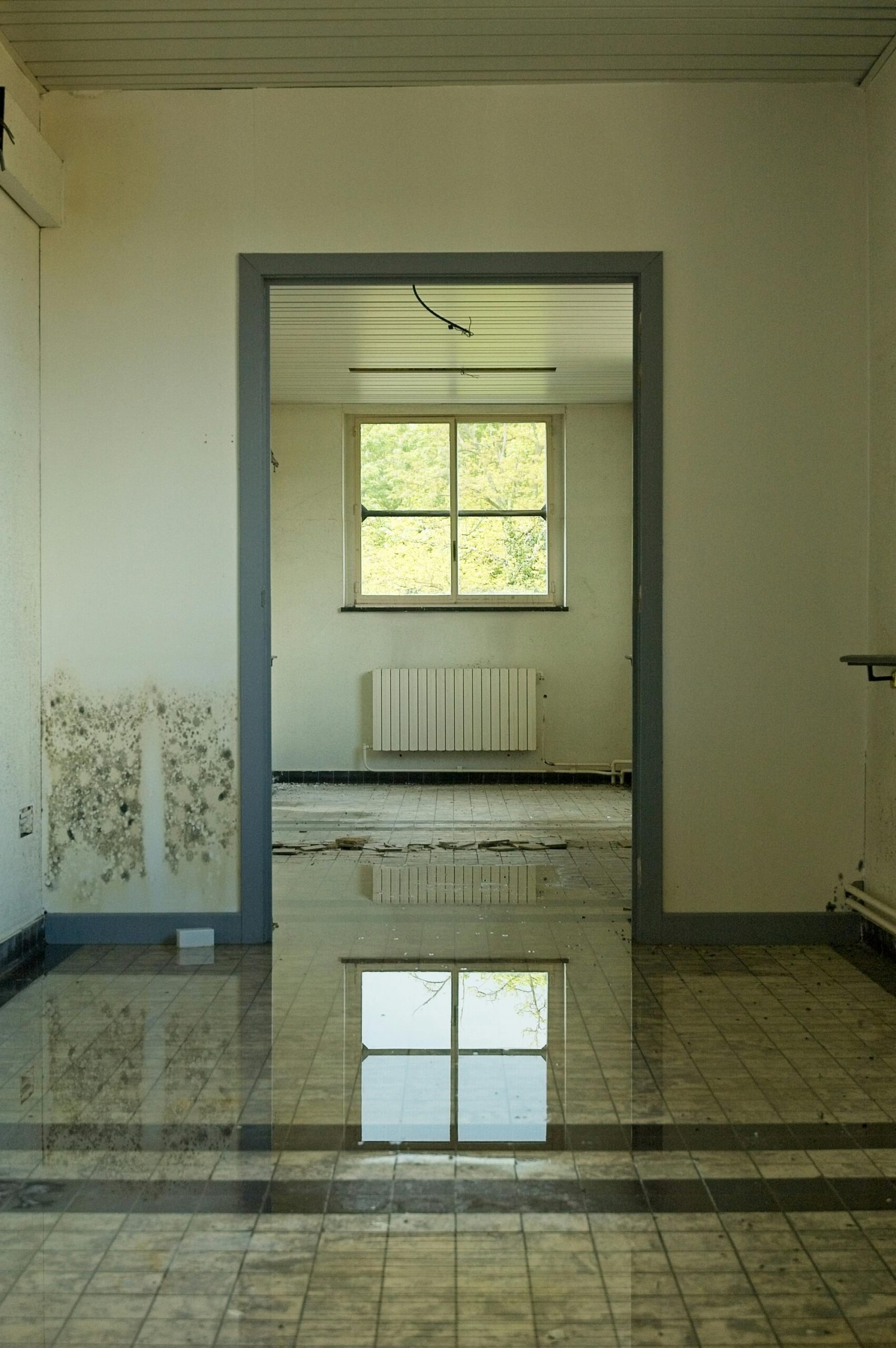
Mold is one of the most disputed issues in Florida rental properties, especially at move-out. Landlords may attempt to deduct mold remediation costs from a tenant’s security deposit, while tenants often argue that mold results from building conditions rather than tenant behavior.
This article explains when a Florida landlord may charge for mold damage at move-out, how responsibility is evaluated, and what factors typically affect whether deductions are allowed. This information is provided for general educational purposes only and does not constitute legal advice.
Mold in Florida Rental Properties
Mold can develop due to:
- moisture intrusion
- plumbing leaks
- humidity
- ventilation issues
Because Florida’s climate is humid, mold issues are relatively common and may not always be tenant-caused.
Mold vs. Normal Wear and Tear
Mold is not considered normal wear and tear. However, responsibility for mold depends on the cause.
Mold resulting from structural issues, leaks, or inadequate ventilation is often considered the landlord’s responsibility rather than tenant damage.
When Mold Charges May Be Allowed
A landlord may charge for mold-related cleanup when:
- tenant actions caused excess moisture
- the tenant failed to report leaks or water damage
- mold resulted from improper use of the property
Charges are generally limited to remediation needed to restore the unit.
Tenant Responsibility and Reporting
Tenants are often expected to report leaks, water intrusion, or conditions that could lead to mold. Failure to report known issues may affect responsibility.
Documentation of maintenance requests may be relevant.
Mold Remediation vs. Routine Cleaning
Mold remediation is different from routine cleaning. Specialized remediation may involve professional services rather than simple surface cleaning.
Charging a tenant for routine humidity-related mold may be disputed.
Documentation and Evidence
Documentation is especially important in mold disputes. Useful records may include:
- inspection reports
- maintenance logs
- photos or videos
- remediation invoices
Clear evidence helps determine the cause and responsibility.
Itemized Notice Requirements
If mold remediation costs are deducted from the security deposit, proper notice and itemization are generally required.
For notice rules, see:
Can a Florida Landlord Withhold a Security Deposit Without Providing an Itemized List?
Tenant Objections to Mold Charges
Tenants may object if they believe:
- mold existed before move-in
- mold resulted from building defects
- they reported moisture issues promptly
Objections usually must be submitted within the allowed timeframe.
For objection deadlines, see:
How Long Does a Tenant Have to Dispute a Security Deposit Deduction in Florida?
Mold Damage vs. Habitability Concerns
Some mold conditions may raise habitability issues rather than deposit deductions.
For habitability context, see:
Is Mold Considered a Habitability Issue in Florida Rental Properties?
Final Notes
This article provides general information about charging for mold damage at move-out in Florida. It is intended for informational purposes only and does not constitute legal advice.
Whether mold-related costs may be deducted depends on cause, documentation, and notice compliance.
Summary
- Mold responsibility depends on cause
- Florida’s climate affects mold analysis
- Tenant-caused moisture may justify charges
- Documentation is critical
- Proper notice and itemization are required